Enclosed 3D printers
An enclosed chamber keeps air temperature stable, reducing warping in materials that shrink as they cool (ABS, ASA, nylon) and dampening noise. If you only print PLA and PETG you don't need one; for engineering parts or printing in a living space, you do. Every printer here is enclosed from the factory — those with an actively heated chamber say so on their spec page.
54 models · data verified against official spec sheets (sources on each page) · updated with every catalog change

HALOT R6

Mars 4 Ultra
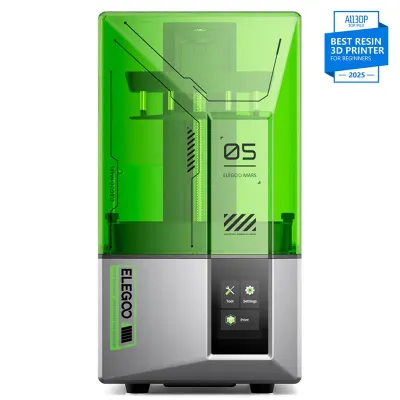
Mars 5

Mars 4 DLP

Saturn 3

Mars 5 Ultra
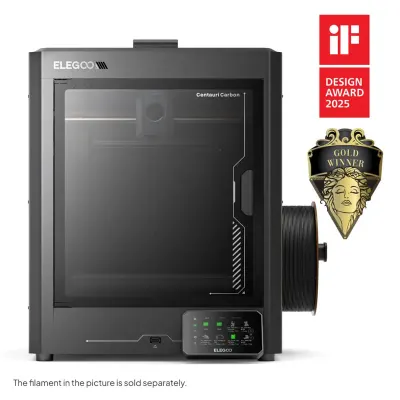
Centauri Carbon

Centauri Carbon 2

M1 Pro
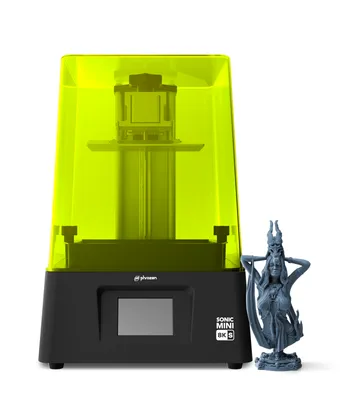
Sonic Mini 8K S

K2

Q2C

Saturn 4

X-Smart 3

Saturn 3 Ultra
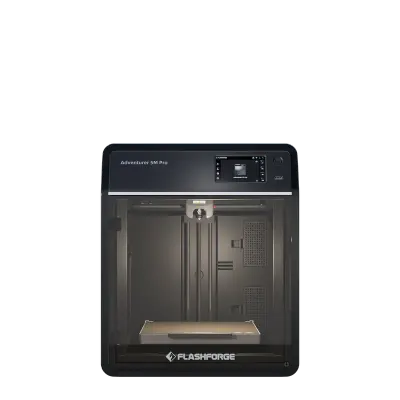
Adventurer 5M Pro
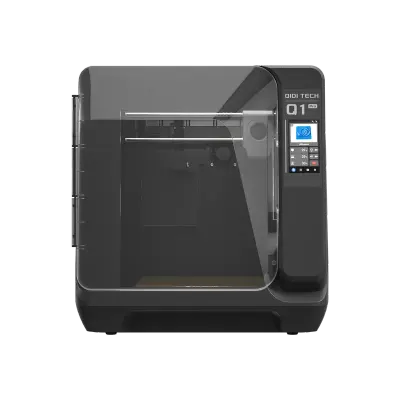
Q1 Pro
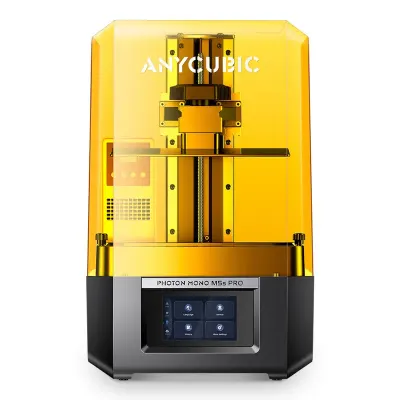
Photon Mono M5s Pro

Q2

Photon P1
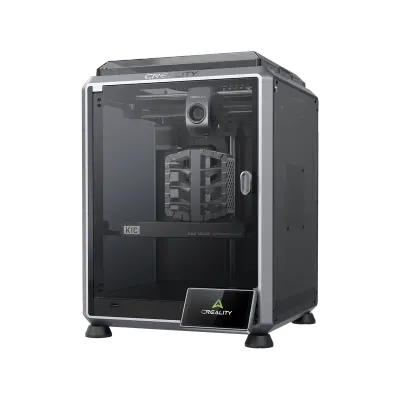
K1C
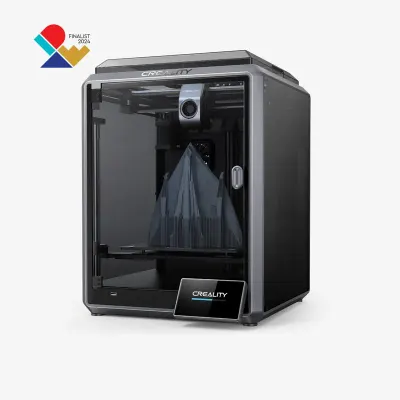
K1
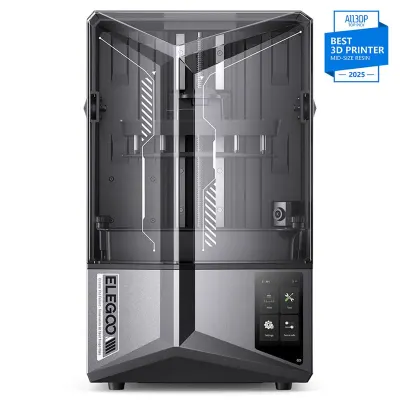
Saturn 4 Ultra
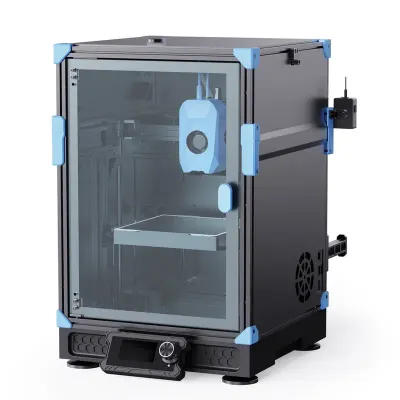
Zero

HALOT-X1
P1S

X-Plus 3
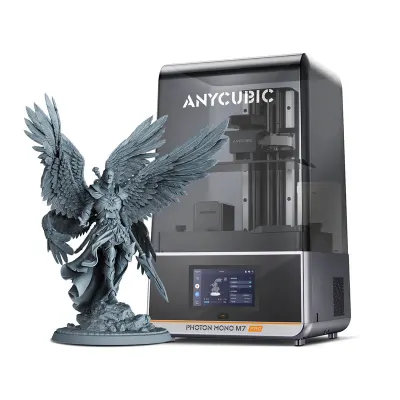
Photon Mono M7 Pro
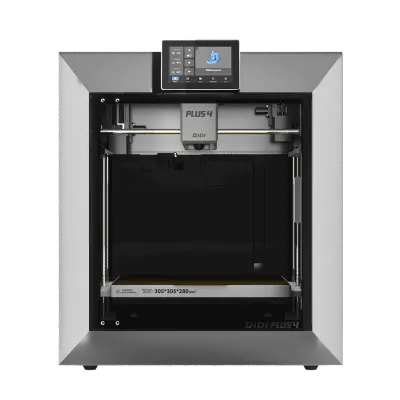
Plus4

K2 Pro
Kobra S1 Max

Photon Mono M7 Max

Jupiter 2

U1

Creator 5 Pro
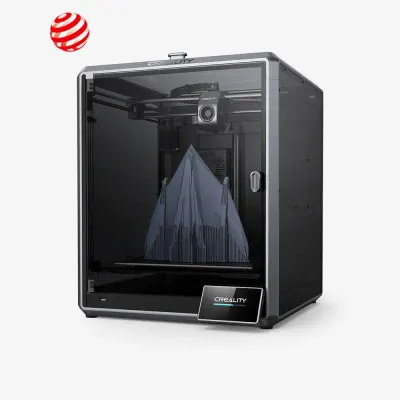
K1 Max
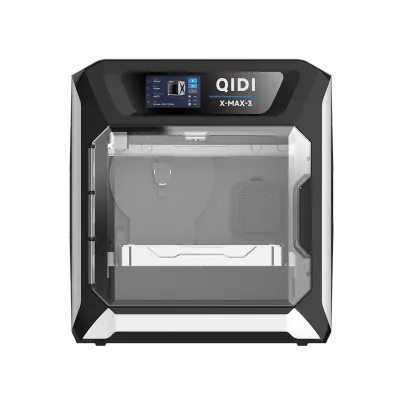
X-Max 3
MakerBot Sketch
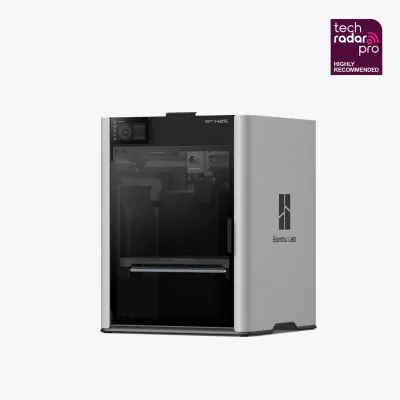
H2S

Max4
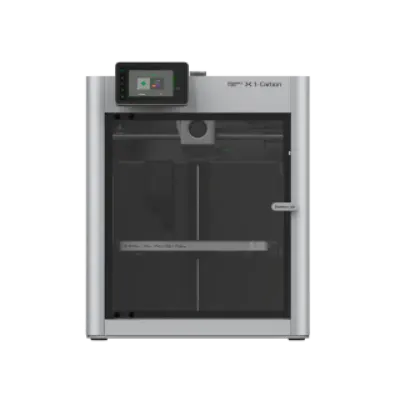
X1 Carbon
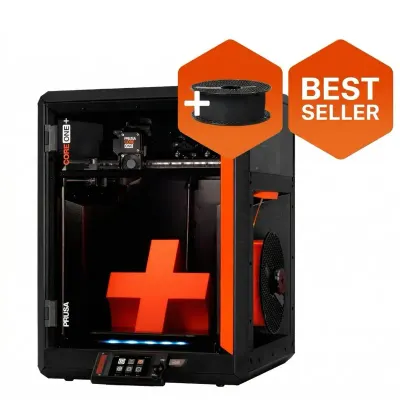
CORE One

CORE One+
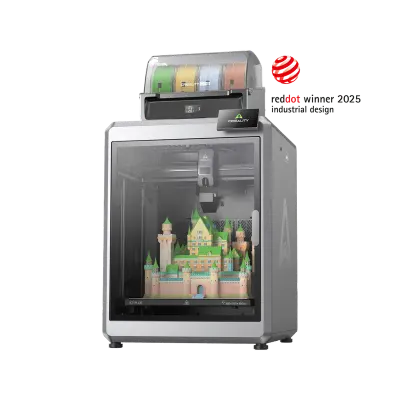
K2 Plus

Sonic Mega 8K

J1s

CORE One L

MakerBot Sketch Sprint
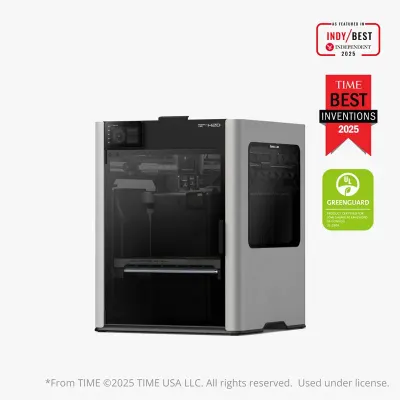
H2D

SL1S SPEED
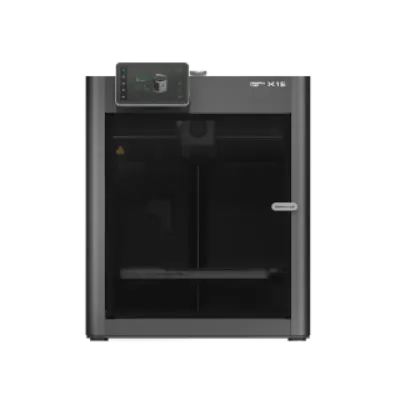
X1E

Artisan

Form 4

Guider 3 Ultra
How to choose
The box isn't for safety, it's for temperature
An enclosure keeps the air around the part 10–15 °C above room temperature, and that's exactly what stops ABS and ASA from lifting or splitting between layers as they cool. With PLA it adds almost nothing — it can even overheat the hotend without airflow — so if you'll only print PLA and PETG you're paying for something you won't use.
Factory-enclosed isn't the same as a printer in a tent
Many lists mix machines with a real chamber and open machines sold with a separate cover. The practical difference is the electronics: on purpose-built enclosed printers, the PSU and boards sit outside the hot chamber. Put an open machine in a tent and you're cooking its own drivers.
Check whether the chamber is active or just passive
Most consumer enclosures heat up on their own from the bed's waste heat (passive) and reach 40–50 °C. That's enough for ABS and ASA. Polycarbonate or filled nylon needs an actively heated chamber, which only shows up on higher-end machines — and those also raise the bar on the hotend.
Ventilation is part of the kit, not an extra
ABS and ASA give off styrene while printing and you shouldn't breathe it in a closed room. Plan for an activated-carbon filter or a duct to a window from day one. Many enclosed printers come with the filter bay ready: check whether the cartridge is a standard size or brand-only before buying.
FAQ
- Do I need an enclosed printer for PLA?
- No. PLA actually prints better with good ventilation. Enclosures matter for ABS, ASA, nylon and polycarbonate, which need stable ambient temperature to avoid warping.
- Is enclosed the same as a heated chamber?
- No. Enclosed means it has walls; a heated chamber actively heats the inside air (rarer and pricier). For home ABS printing, a passive enclosure is usually enough.
- Can I print PLA inside an enclosure?
- Yes, but PLA hates the extra heat: fully closed, it can soften and clog. Most enclosed printers handle it by printing PLA with the door or lid open, or with a chamber fan — check your model's manual.
- Is an enclosed printer quieter?
- Noticeably: the walls damp fans and motors, and they keep dust off rails and belts as a bonus. If the printer will share a room with you, it's one of the most underrated reasons to go enclosed.