Large-format 3D printers (300+ mm)
From ~300 mm per axis you can print helmets, cosplay parts and large prototypes without splitting them. Two things grow with size: print time (a bed-filling part can take days) and how much reliability matters — a failure at hour 40 hurts. Sorted by actual build volume (X×Y×Z).
31 models · data verified against official spec sheets (sources on each page) · updated with every catalog change

OrangeStorm Giga

SV08 Max
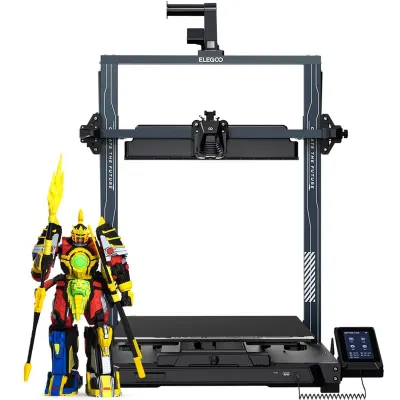
Neptune 4 Max

Guider 3 Ultra

Ender-5 Max

Artisan

Max4
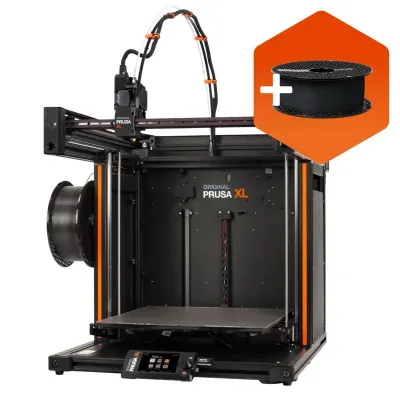
XL
Kobra S1 Max
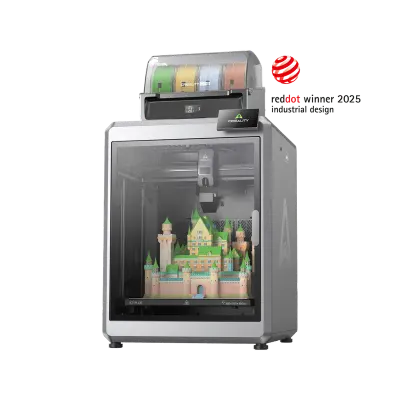
K2 Plus
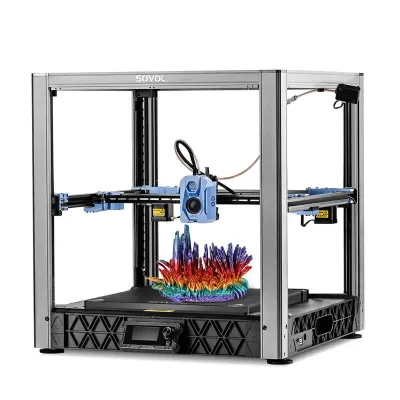
SV08

Neptune 4 Plus
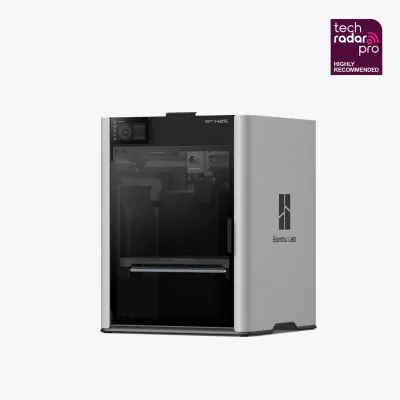
H2S
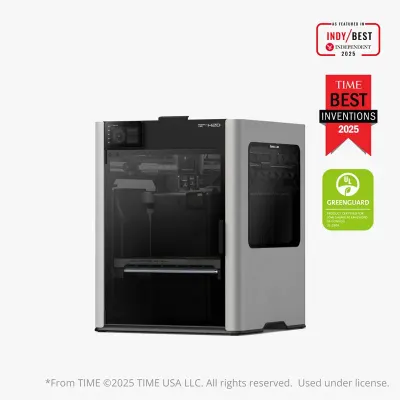
H2D

Sidewinder X4 Plus
Sidewinder X4 Plus S1
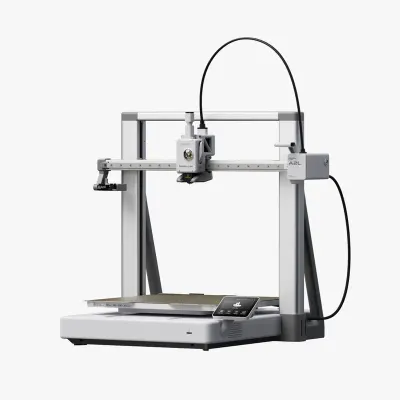
A2L
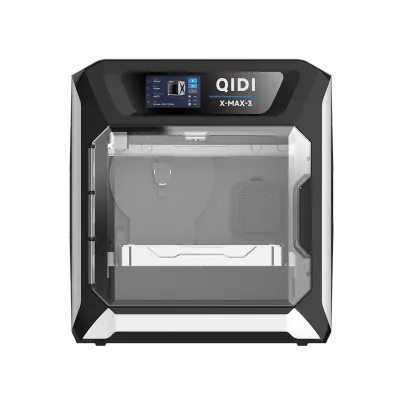
X-Max 3

SV06 Plus ACE
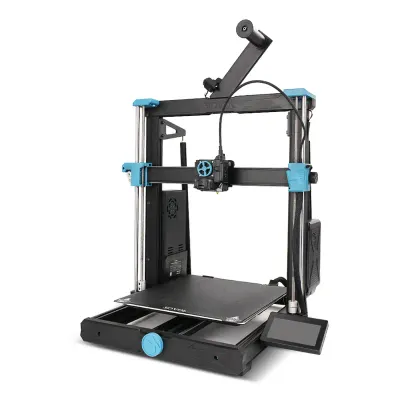
SV07 Plus

Ender-3 V3 Plus

CORE One L

K2 Pro
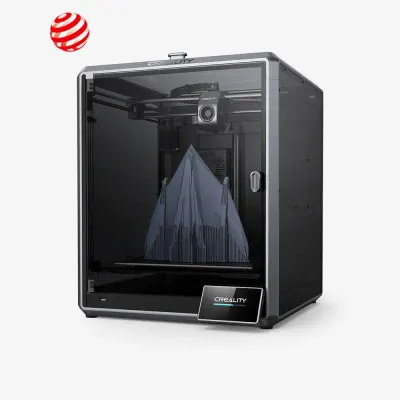
K1 Max
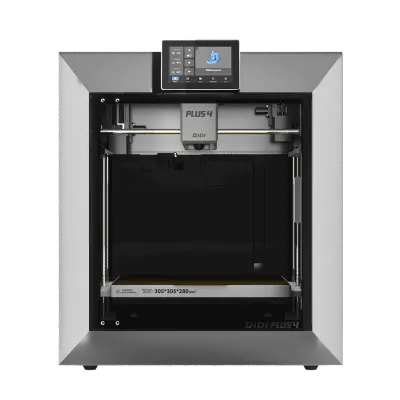
Plus4

Sonic Mega 8K
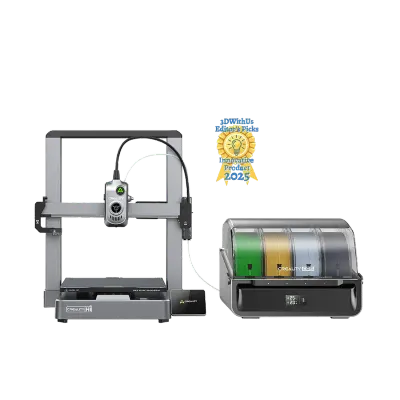
Hi Combo

Jupiter 2

Photon Mono M7 Max

Jupiter SE

J1s
How to choose
Before buying big, try cutting
A 40 cm part split into four and glued is usually stiffer and cheaper than the same part printed whole on a huge machine — and without betting 30 hours on a single run. It's worth testing with our cut-STL tool before paying triple for build volume.
Usable volume isn't brochure volume
Bed clips, the head's fan and the purge area eat centimetres around the edges. Budget 1–2 cm less in X and Y than the spec sheet claims, and check at what height the head starts hitting the gantry if you print something tall and narrow.
A big bed takes long to heat and doesn't heat evenly
On beds of 30 cm or more, corners typically sit 5–10 °C below the centre — exactly where large parts lift. Check the bed's power (a 230 V bed heats far faster) and plan for a blanket or an enclosure if you'll print anything other than PLA.
Think in filament per run
A part filling half the volume can exceed a kilo, which means a spool change mid-print. A filament sensor with reliable resume stops being a nice-to-have and becomes a requirement: without it, a 40-hour run is lost entirely.
FAQ
- Is a large printer worth it as a first printer?
- Usually not: they cost more, take up space, and failures are expensive in time and material. Most parts fit a standard 220-256 mm bed, and large ones can be split and glued.
- How long does a bed-filling print take?
- It depends on layer height and speed, but parts using 300-400 mm beds easily exceed 24-48 hours of continuous printing.
- Which materials suit large parts?
- PLA and PETG: low shrinkage and happy on an open bed. Large-format ABS/ASA is the hardest case in home printing — shrinkage compounds with size, and without an enclosure it almost certainly ends in warping or cracks. For strength at size, PETG is usually the best compromise.
- CoreXY or bed-slinger for large format?
- At equal volume, CoreXY kinematics scale better: the bed only moves up and down, so kilos of part and glass don't get shaken on every direction change. Big moving beds force lower acceleration (more hours) to keep quality.