Before you buy
Black Friday 3D printer deals: how to tell if an offer is really good
This year Black Friday falls on Friday 27 November. Which printer suits you is covered in how to compare 3D printers; this is about the rest: how to tell whether the deal is real, what to check about the model before you jump, and what rights you have if something goes wrong. The legal part applies to purchases in the EU; elsewhere the rules differ.
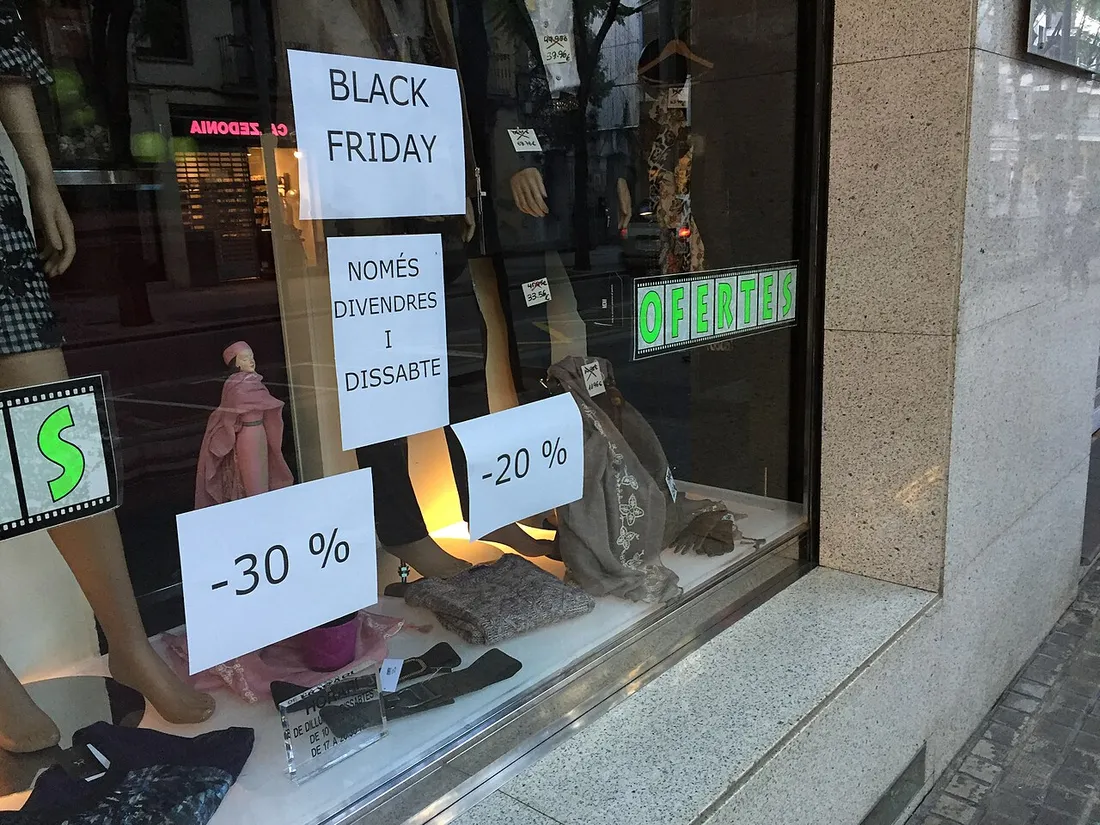
1. The discount: compare it with the last 30 days
In the EU, the "before" price of a reduction can't be just any figure. The European Commission explains that Article 6a of the Price Indication Directive exists precisely to make sure price reductions are genuine. In Spain, for example, the European Consumer Centre explains that the prior price shown on a discounted item must be the lowest price applied to that same product in the previous 30 days, and in 2024 the Spanish consumer ministry opened proceedings against large online retailers over allegedly misleading discounts, which can be treated as serious infringements with fines of up to €100,000.
In practice:
- Note the price now. If a printer interests you, write down what it costs a few weeks before. It's the most reliable way to know whether Black Friday makes it cheaper or just dresses it up.
- Be wary of a "was" price you never saw. If the struck-through price is higher than what it cost two weeks ago, the real discount is smaller than advertised.
- The official price is a guide, not the reference. Every hotend spec page shows the manufacturer's suggested retail price (MSRP). It helps you place the deal, but the comparison the rules require is with the shop's own price.
2. The model: when did it launch and does it have a successor?
A deal on a model that's a few years old can be good, but it's worth knowing what you're buying. In our catalogue, most printers are recent: 56 of the 95 with a recorded year launched in 2024 or later.
View the data
| Year | Printers |
|---|---|
| 2019 | 1 |
| 2020 | 2 |
| 2021 | 1 |
| 2022 | 5 |
| 2023 | 30 |
| 2024 | 23 |
| 2025 | 22 |
| 2026 | 11 |
Before buying a model that's a few years old, check two things on the manufacturer's site:
- Whether it's still on sale or already has a successor. It happened to us while reviewing our own sources: the official page of the Sovol SV07 Plus now redirects to the SV06 Plus ACE. A deal on a discontinued model can be good, as long as you know it.
- Whether it sells spare parts. Nozzles, PTFE tubes, beds, belts… These are wear parts (we go through them in basic maintenance), and a printer without spares has an expiry date.
Every hotend spec page shows the release year, and the comparison tool lets you put two candidates side by side.
3. What comes after the price
The printer isn't the only thing you'll pay for. Before comparing deals, add up:
- Filament, the ongoing cost.
- Consumables: nozzles, PTFE tube, a spare bed.
- What your use requires: if you'll print ASA or ABS, an enclosed printer (we explain why in outdoor filament); if you want several colours, the multi-material system, which isn't always included.
A bundle with extras may or may not be worth it; compare it item by item with what they'd cost separately.
4. Your rights when buying online in the EU
- 14 days to return it. If you buy online from a professional seller in the EU, you can withdraw within 14 days of delivery without giving a reason (Your Europe, the EU's official portal). Return shipping is usually on you, unless the seller offers to pay or didn't tell you about it before you bought.
- Check who's selling. On marketplaces, shops and private individuals sit side by side, and the right of withdrawal doesn't cover purchases from private individuals.
- Guarantee. In the EU, the legal guarantee is never less than two years, and national law can give more. Spain, for example, raised it to three years in 2022, although the European Consumer Centre notes that for products that need digital content or a service to work it's generally two; it's unclear which group a printer with firmware falls into, so ask the seller and keep the invoice.
- Early defects. For a period after delivery (one year at least across the EU, longer in some countries), a defect is presumed to have been there from the start, so you don't have to prove it.
Quick checklist before you hit "buy"
| Check | Why |
|---|---|
| The lowest price of the last 30 days | It's the reference for a discount in the EU. |
| Release year and whether there's a successor | To know whether you're buying a current model or one on its way out. |
| That spare parts exist | Nozzles, PTFE and beds wear out. |
| What's included and what isn't | Multi-material, an enclosure or accessories change the real price. |
| Who's selling (shop or individual) | The 14-day return right only applies to professional sellers. |
| Invoice and guarantee terms | You'll need them if something fails. |
Frequently asked questions
- How do I know if a Black Friday discount is real?
- Compare it with the lowest price that same shop charged in the previous 30 days. The EU has a specific rule (Article 6a of the Price Indication Directive) to make price reductions genuine; in Spain, for example, the shop must show that 30-day lowest price as the prior price. If you can, note the price a few weeks before.
- Can I return a 3D printer bought online?
- If you buy online from a professional seller in the EU, you have 14 days from delivery to withdraw without giving a reason. Return shipping is usually on you unless the seller says otherwise. This right doesn't cover purchases from private individuals.
- How long is the guarantee on a 3D printer?
- In the EU, the legal guarantee is never less than two years, and some countries give more. In Spain, for example, it's three years for goods since 2022, although for products that need digital content or a digital service to work it's generally two. A printer with firmware could fall into that second group.
- Is a heavily discounted older printer worth it?
- It can be, if it covers what you need. But first check whether the manufacturer already has a successor and still sells spare parts for it: a bargain that runs out of parts can end up expensive.
Sources
- European Commission — Price indication directive (Article 6a on price reductions)
- European Consumer Centre Spain — Proceedings against large e-commerce operators over allegedly misleading discounts (in Spanish; the 30-day rule)
- European Consumer Centre Spain — Spain extends the minimum legal guarantee from two to three years (in Spanish)
- Your Europe — Returns and the right of withdrawal
- Your Europe — Guarantees on goods bought in the EU
- hotend catalogue data (release year and official price of each printer).