Materials
How to dry filament and why it absorbs moisture
Strings that weren't there before, bubbles, a rough surface, parts that split between layers… Often the culprit isn't the printer or the settings: it's moisture in the filament. Here's why it happens, how to spot it, what temperature to dry each material at and how to store it so you rarely have to.
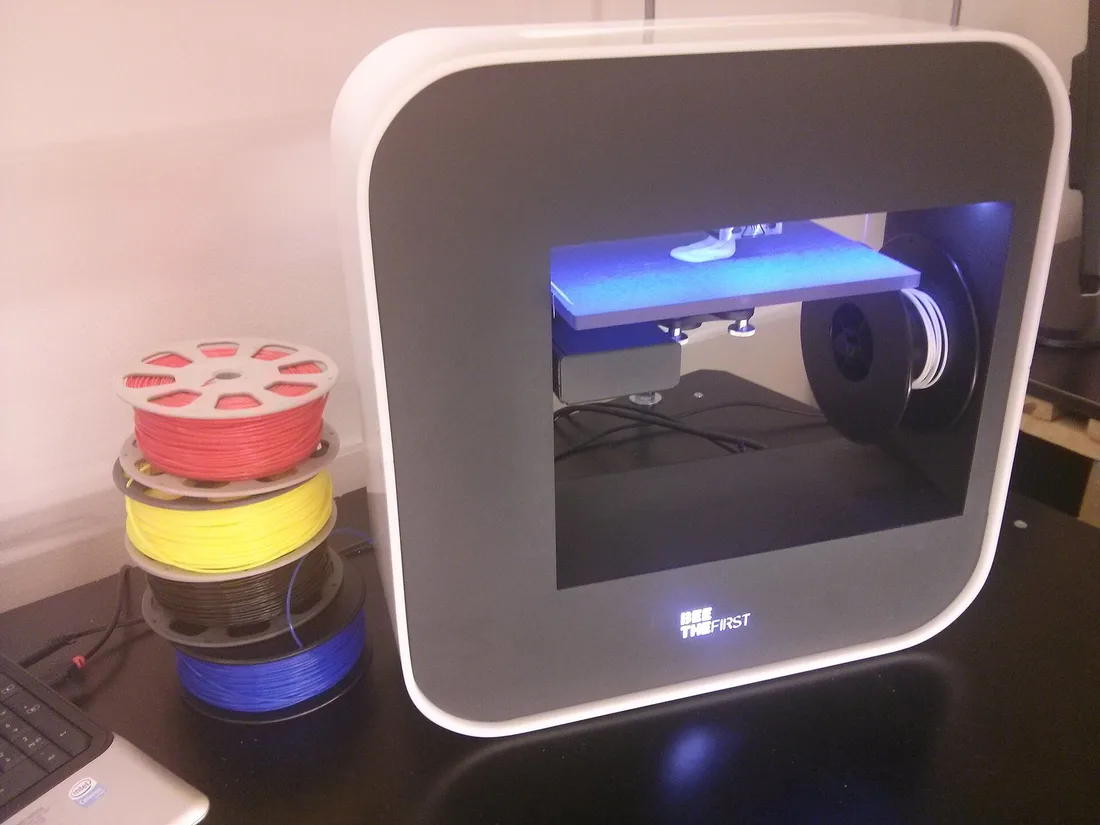
Why filament absorbs moisture
Most plastics used for printing are hygroscopic: they attract water molecules from the air (Prusa). The trouble starts in the nozzle: Bambu Lab explains that the water turns to steam inside the hotend, the molten plastic expands, comes out unevenly and forms bubbles. The result is stringing, oozing, holes, rough surfaces and weaker parts. Prusa adds poor layer adhesion, blobs, and bubbling with smoke during extrusion.
Not every material suffers equally. According to Prusa, PLA barely changes its properties when it picks up moisture, whereas polyamide (nylon) is affected significantly; PVA and TPU also need drying more often.
How fast it goes bad
Faster than you'd think. According to Bambu Lab, in a normal home (around 55% relative humidity) freshly dried filament can pick up enough moisture to affect prints within 2 to 12 hours, depending on how hygroscopic it is. Stored below 20% humidity, it stays dry for roughly 2 to 7 days. That's why Bambu recommends drying before printing if you don't know how the spool has been kept, especially for parts where finish matters.
What temperature and for how long
These are the figures from Bambu Lab's table for two methods: a forced-air oven or dryer and the bed of its printers (on the models that support it, with the spool covered and turned every 6 hours for PLA). If your filament is another brand, check its datasheet first: figures vary between manufacturers.
| Material | Oven / dryer | Printer bed | Dry before use |
|---|---|---|---|
| PLA (Basic / Matte) | 50 °C · 8 h | 60-70 °C · 12 h | Recommended |
| PETG | 60-65 °C · 8 h | 75-85 °C · 12 h | Recommended |
| ABS / ASA | 75-85 °C · 8 h | 90-100 °C · 12 h | Recommended |
| TPU 95A | 70 °C · 8 h | 80-90 °C · 12 h | Required |
| Fibre-filled nylon (PA-CF/GF) | 75-85 °C · 8-12 h | 90-100 °C · 12 h | Required |
Prusa publishes its own figures for its Prusament filaments in its drying guide: if you use Prusament, follow those.
What about the kitchen oven?
Prusa advises against it unless you take precautions: home ovens don't measure temperature precisely, and a swing that doesn't matter for food can deform a low-temperature filament like PLA. Many also can't go low enough. If you use one, add an external thermometer and don't overshoot: even if you shorten the time, too much heat damages the filament.
How to store it so you don't have to dry it
The best drying is the one you skip. Prusa recommends keeping spools in a closed space or box with desiccant, and, if room is limited, prioritising the most hygroscopic materials. Bambu adds two practical details: store filament in a sealed container with desiccant right after drying it, and keep an eye on the humidity inside with a hygrometer.
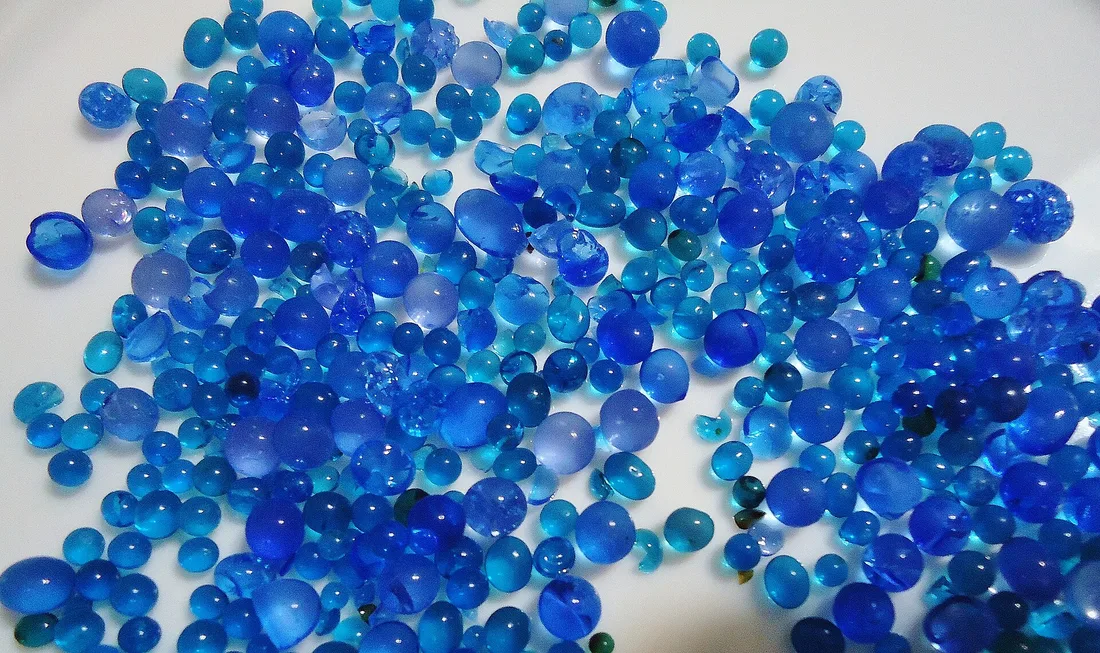
If you already have strings or under-extrusion, moisture is just one possible cause: check the others in how to fix stringing and the under-extrusion guide. And if you're printing TPU, how to print TPU shows why it's among the most sensitive.
Frequently asked questions
- Do you need to dry PLA?
- Not always. Prusa explains that PLA barely changes its properties when it picks up moisture, unlike polyamide (nylon). Bambu Lab recommends drying it if you don't know how the spool has been stored or you want a flawless finish.
- How fast does filament absorb moisture again?
- According to Bambu Lab, in a normal home (around 55% relative humidity) freshly dried filament can absorb enough moisture to affect prints within 2-12 hours, depending on the material. Stored below 20% humidity, it stays dry for roughly 2-7 days.
- Can I dry filament in my kitchen oven?
- Carefully. Prusa warns that home ovens don't measure temperature precisely and many can't go low enough: a swing that doesn't matter for food can deform a filament like PLA. If you do it, use an external thermometer.
- Which filaments are most sensitive to moisture?
- Polyamide (nylon), PVA and TPU need drying more often than PLA, according to Prusa. In Bambu Lab's table, TPU and fibre-filled nylon are listed as requiring drying before use.
Sources
- Bambu Lab Wiki — Filament Drying Recommendations (causes, timings and the Appendix I table)
- Prusa Knowledge Base — Drying filament
- Photos from Wikimedia Commons, with author and licence in each caption.